How Artificial Intelligence Predicts Life Expectancy
What if an AI could estimate how long you might live—and tell you what to change to live longer?
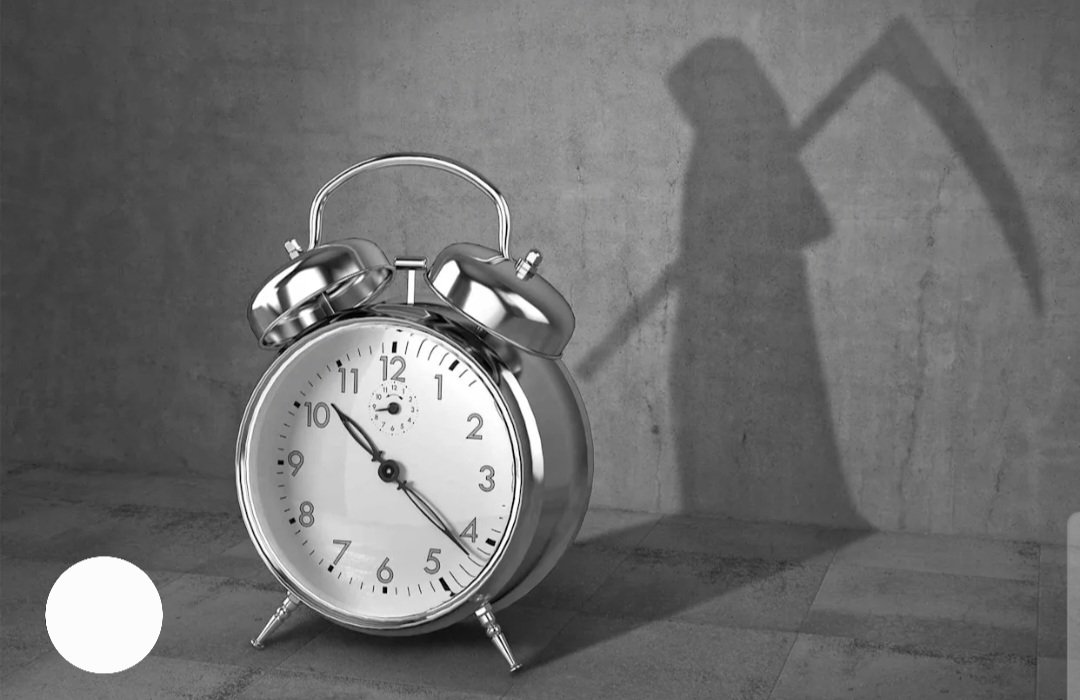
That’s exactly what Death Clock AI claims to do. Powered by artificial intelligence, this modern version of the classic “death clock” has sparked curiosity, debate, and even anxiety across the internet.
In this article, we’ll break down what Death Clock AI is, how it works, how accurate it really is, and whether you should trust it—in a clear, practical, and human way.
What Is Death Clock AI?
Death Clock AI is an AI-powered tool or application that predicts a person’s estimated lifespan based on personal data such as:
Age and gender
Lifestyle habits (smoking, diet, exercise)
Medical history
Stress levels and sleep patterns
Unlike older death clock calculators that used fixed averages, AI-based death clocks analyze large datasets and patterns, making predictions more personalized.
Important note: Death Clock AI does not predict the exact date of death—it estimates life expectancy, not destiny.
How Does Death Clock AI Work?
Data Collection and User Inputs
Most Death Clock AI tools begin by asking users to answer a series of questions related to their health and lifestyle. Some advanced platforms may also integrate wearable or health app data.
AI Models and Predictive Analysis
Using machine learning algorithms, the AI compares your data with millions of anonymized health records, studies, and statistical models. It looks for patterns that correlate with longevity or early mortality.
Output and Insights
The result is usually presented as:
An estimated lifespan or age range
A countdown clock
Personalized suggestions to increase life expectancy
Many tools also show “years gained or lost” based on habits—making the results more actionable.
Is Death Clock AI Accurate?
This is the most important question—and the answer is nuanced.
What It Does Well
Uses real-world health statistics
Highlights risky habits
Encourages healthier choices
Provides motivation for lifestyle changes
Its Limitations
Cannot predict accidents or sudden illnesses
Doesn’t account for future medical breakthroughs
Depends heavily on user honesty
Mental health and genetics are often oversimplified
Experts agree that Death Clock AI is a probability-based estimate, not a medical diagnosis.
Popular Uses of Death Clock AI
1. Health Awareness
Many users try Death Clock AI to understand how their habits affect longevity. Seeing a reduced lifespan due to smoking or inactivity can be a powerful wake-up call.
2. Motivation for Lifestyle Change
Some apps show how quitting smoking, improving sleep, or exercising more could add years to your life—making health goals feel tangible.
3. Content Creation and Social Media
Death Clock AI has become popular on TikTok, YouTube, and blogs, where creators share reactions and comparisons for engagement.
Ethical and Psychological Concerns
While Death Clock AI can be informative, it also raises concerns:
Anxiety and fear in vulnerable users
Misinterpretation of results as “fate”
Lack of professional medical context
That’s why most responsible platforms include disclaimers advising users to consult healthcare professionals.
Actionable Tips If You Use Death Clock AI
If you’re curious but cautious, follow these tips:
Use It as Guidance, Not Truth
Treat Death Clock AI as a health mirror, not a prophecy.
Focus on Recommendations
Pay more attention to what improves your score than the number itself.
Compare Multiple Tools
Different AI models give different results—don’t rely on just one.
Talk to a Professional
If results worry you, discuss them with a doctor or health expert.
Is Death Clock AI Worth Trying?
For most people, yes—if used responsibly. Death Clock AI can be a powerful awareness tool that turns abstract health advice into something personal and motivating. However, it should never replace medical advice or control your mental well-being.
Final Thoughts: The Real Value of Death Clock AI
Death Clock AI doesn’t predict your death—it highlights your choices.
Its true value lies in showing how today’s habits shape tomorrow’s health. When used with a balanced mindset, it can inspire smarter decisions, better routines, and a longer, healthier life.