In everyday life, people often search for how to track people for genuine and practical reasons. Parents want to know if their children reached school safely, families want to stay connected with elderly members, and businesses want to coordinate teams working outside the office. With smartphones and modern technology, tracking has become easier than ever.
However, tracking should always be done responsibly, legally, and with full consent. It is not about spying or invading privacy. Instead, it is about safety, coordination, and peace of mind. In this article, we will explain how people tracking works, its features, advantages, disadvantages, and safer alternatives using simple and clear language.
What are How to Track People?
How to track people means using approved tools, apps, or built-in phone features to know someone’s location with their permission. These methods are commonly used by families, friends, and workplaces where transparency is required.
For example, parents may use location sharing to ensure their child’s safety, or employees may share their live location during work hours. All ethical tracking systems allow the person being tracked to know when tracking is active and to turn it off anytime.
How are How to Track People Work
People tracking works through location technologies already available in smartphones and smart devices. The most common ones include:
-
GPS: Uses satellites to provide accurate outdoor locations.
-
Mobile Network Signals: Helps estimate location using nearby cell towers.
-
Wi-Fi Networks: Improves accuracy, especially inside buildings.
-
App Permissions: Tracking only works after the user allows location access.
Once permission is granted, the system updates location data in real time or at set intervals. Most tools also allow users to pause sharing whenever they want, keeping control in their own hands.
Features of How to Track People (Completely Detailing)
Modern people-tracking solutions come with many user-friendly features, such as:
-
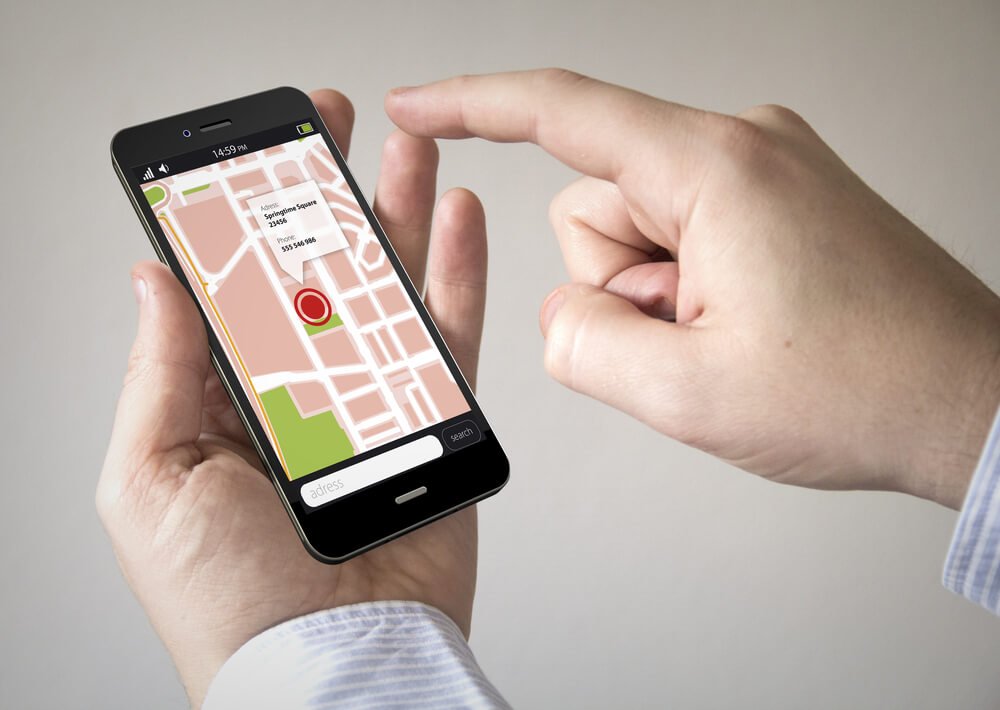
Live Location Sharing: See real-time movement on a map.
-
Location History: View previous locations for a short period (with consent).
-
Geofence Alerts: Get notified when someone enters or leaves a specific area.
-
Emergency SOS: Instantly share location during danger or emergencies.
-
Privacy Settings: Decide who can see your location and for how long.
-
Battery-Saving Mode: Reduces power usage during long tracking sessions.
-
Cross-Device Support: Works on different phones and operating systems.
-
Easy On/Off Controls: Stop tracking instantly with one tap.
These features are designed to balance usefulness and privacy.
Pros of How to Track People
| Pros | Explanation |
|---|---|
| Improved Safety | Helps locate loved ones during emergencies |
| Peace of Mind | Reduces worry for parents and families |
| Better Coordination | Useful for teams and field workers |
| Lost Device Help | Assists in finding misplaced phones |
| User Control | Tracking can be stopped anytime |
Cons of How to Track People
| Cons | Explanation |
|---|---|
| Privacy Concerns | Can be misused if consent is ignored |
| Legal Limitations | Laws differ by country and region |
| Battery Drain | Constant tracking may reduce battery life |
| Accuracy Issues | Location may be incorrect indoors |
| Overdependence | Can reduce personal independence |
How to Track People Alternatives
| Alternative | Best Use Case | Benefit |
|---|---|---|
| Regular Check-ins | Friends and family | Simple and respectful |
| Phone Calls | Daily updates | No location sharing needed |
| Emergency Contacts | Safety planning | Used only in real situations |
| Shared Schedules | Work coordination | Avoids live tracking |
| Built-in Find Tools | Lost phones | Owner-controlled only |
Conclusion and Verdict How to Track People?
Learning how to track people can be helpful when used for the right reasons. With proper consent and clear communication, tracking can improve safety, build trust, and make daily coordination easier. Still, it should never replace respect for privacy or personal boundaries.
To track click here
The best approach is to use tracking only when necessary and always give the tracked person full control. In many cases, simple alternatives like calls or messages work just as well. When used ethically, people tracking becomes a tool for care and connection—not control.